108 games available

















 (1).png)
Description
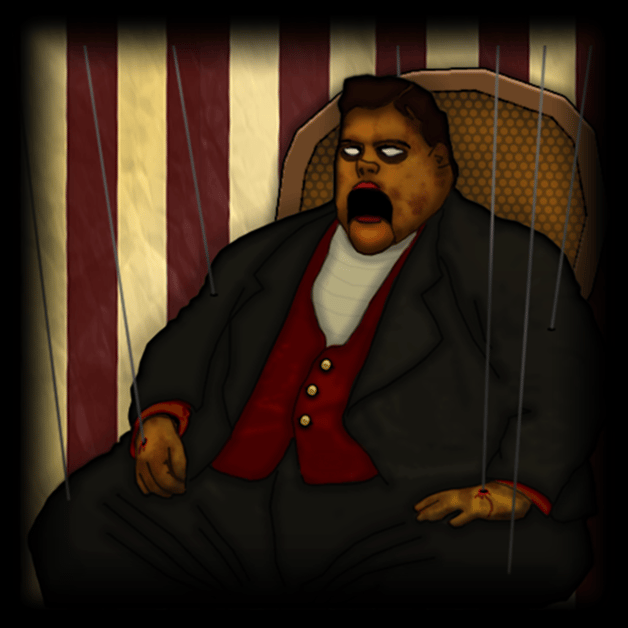
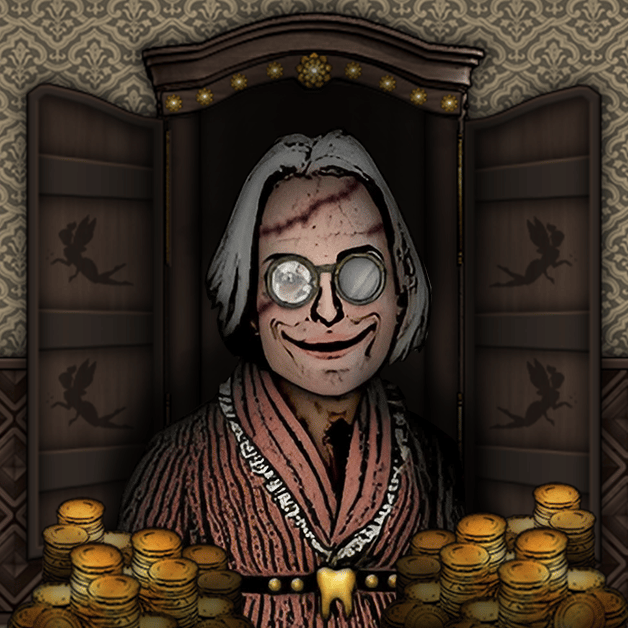
In the ever-evolving landscape of indie horror games, few franchises have maintained such a consistent grip on atmospheric dread and unsettling storytelling as the Forgotten Hill series. With the release of Forgotten Hill: The Wardrobe 4, developer FM Studio has delivered what many consider the pinnacle of their unique brand of psychological horror. This comprehensive exploration will examine why this installment stands as a remarkable achievement in interactive storytelling and why it continues to captivate players worldwide. The Legacy of Forgotten Hill To fully appreciate The Wardrobe 4, one must understand the foundation upon which it stands. The Forgotten Hill series, developed by Portugal-based FM Studio, first emerged as a distinctive voice in horror gaming with its point-and-click adventure format that prioritized mood over jump scares. Unlike mainstream horror titles that rely on visceral terror, Forgotten Hill cultivates a slow-burning unease through surreal imagery, psychological twists, and a dreamlike logic that feels both alien and strangely familiar. The series is renowned for its interconnected narrative that weaves through different locations and characters within the mysterious town of Forgotten Hill, each game revealing another layer of its bizarre mythology. The Wardrobe subseries specifically has followed a particularly haunting thread, establishing itself as the emotional core of the larger narrative. The Unforgettable Experience of The Wardrobe 4 Visual Artistry and Atmosphere Forgotten Hill: The Wardrobe 4 represents a visual evolution for the series. The hand-drawn aesthetic that defined earlier installments has been refined to new levels of disturbing beauty. Every scene is meticulously crafted to unsettle—from the subtle distortions in familiar objects to the surreal juxtapositions that define the game's spaces. The color palette masterfully shifts between muted, oppressive tones and sudden bursts of vivid, unnatural color, creating a visual rhythm that mirrors the game's emotional beats. The environments in The Wardrobe 4 feel simultaneously tangible and impossible, grounding players in spaces that obey their own internal logic while defying real-world physics. This careful balance makes the horror more potent because it feels like it could almost be real, until it suddenly isn't. Narrative Depth and Emotional Weight What sets The Wardrobe 4 apart from many horror experiences is its commitment to storytelling that transcends simple scares. Without revealing spoilers, the game continues the series' tradition of exploring themes of memory, loss, and the fragile nature of identity. The narrative unfolds through environmental clues, symbolic puzzles, and fragmented revelations that require players to actively piece together the story. The writing demonstrates remarkable restraint, trusting players to infer meaning from implication rather than exposition. This approach creates a deeply personal horror experience—what disturbs one player might resonate differently with another, based on what they bring to the interpretation. Puzzle Design and Gameplay Innovation The Wardrobe 4 showcases the series' most sophisticated puzzle design to date. The solutions consistently feel satisfying because they emerge naturally from the game's internal logic and symbolic language. Unlike puzzles that exist merely as obstacles, these challenges feel like meaningful interactions with the game's world—each solution revealing something new about the narrative or deepening the atmosphere. The game introduces several inventive mechanics that play with perception and reality, cleverly using the point-and-click format to create moments of genuine surprise. The difficulty curve respects players' intelligence while providing enough guidance to prevent frustration from overshadowing the atmospheric experience. Why The Wardrobe 4 Dominates Search Results The enduring popularity and search prominence of Forgotten Hill: The Wardrobe 4 can be attributed to several key factors that distinguish it in a crowded gaming landscape. Unique Artistic Vision In an era where many horror games chase photorealism, The Wardrobe 4 embraces a distinctly stylized aesthetic that makes it instantly recognizable. This artistic bravery creates a memorable identity that stands out in players' minds and in search algorithms alike. Psychological Horror Mastery The game's commitment to psychological horror over cheap scares has earned it a dedicated following. Players seeking sophisticated, thought-provoking horror consistently return to the series, generating sustained engagement and discussion that boosts its online visibility. Community and Lore Building The interconnected nature of the Forgotten Hill universe encourages deep community engagement. Players collaborate to unravel mysteries, share interpretations, and piece together the larger narrative—activity that generates substantial organic search traffic and content creation. Accessibility and Broad Appeal Available across multiple platforms with intuitive gameplay mechanics, The Wardrobe 4 reaches a wide audience. Its point-and-click interface makes it approachable for both seasoned adventure gamers and newcomers to the genre, broadening its potential player base and search relevance. Critical Recognition and Word of Mouth The consistent quality across the Forgotten Hill series has built a reputation that culminates in The Wardrobe 4. Positive word of mouth, coupled with recognition from gaming communities and critics, creates a virtuous cycle of discovery and recommendation that sustains its search prominence. The Enduring Appeal of the Forgotten Hill Universe What truly elevates The Wardrobe 4 is how it serves as both a satisfying standalone experience and a crucial piece of the larger Forgotten Hill tapestry. The series has cultivated a mythology that feels expansive yet personal—a rare achievement in game storytelling. The town of Forgotten Hill has become more than a setting; it's a character in itself, with rules and logic that players have come to understand even as they remain unsettlingly unpredictable. The game's approach to horror respects the intelligence and emotional capacity of its players. It understands that the most lasting fears aren't monsters or gore, but ideas—the fragility of memory, the uncertainty of reality, and the haunting nature of unresolved pasts. In The Wardrobe 4, these themes are explored with a maturity and artistry that places it among the most memorable horror experiences in modern gaming. Conclusion: A Masterpiece of Modern Horror Forgotten Hill: The Wardrobe 4 stands as a testament to what indie horror can achieve when artistry, storytelling, and gameplay harmonize perfectly. It demonstrates that true horror doesn't need massive budgets or technological spectacle—it needs vision, consistency, and a deep understanding of what unsettles the human psyche. For players seeking horror that lingers long after the game ends, that provokes thought as much as fear, and that represents the creative potential of independent game development, The Wardrobe 4 is not just a game to play but an experience to absorb. Its prominent place in search results is no accident—it's the natural outcome of creating something genuinely distinctive in a genre that often trades in familiarity. As the Forgotten Hill series continues to evolve, The Wardrobe 4 will likely be remembered as a high point—a game that perfected what came before while pointing toward exciting possibilities for what might follow. In the shadowy, surreal streets of Forgotten Hill, true horror has never looked more artistically compelling.